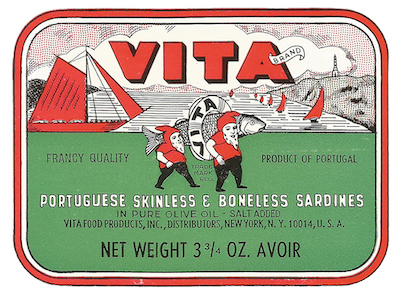
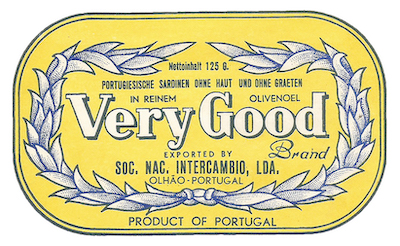
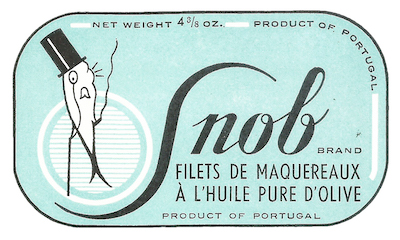
Creatives’ social media accounts are awash with lo-fi, analogue aesthetics, most of which are created digitally, often with cookie-cutter kits that undermine the whole idea of what “analogue” is supposed to represent. Elizabeth Goodspeed understands why:
“The practical reality is that most people no longer have the time, tools, or support to make fully analogue work, even if they want to. The creative infrastructure that would make it viable – materials access, slower timelines, financial stability – isn’t widely available. Designers and illustrators are stuck in a bind: analogue signals value, but digital is what’s feasible. The result is a kind of strategic mimicry. The market is looking for particular cues, and designers have to find a way to hit them. It doesn’t help that glossy, computer-made work can now be mistaken for AI either; clean, high-fidelity digital craft has become suspect by default, making handmade a safer choice. You can think of adding in fake ink splatters a bit like penciling in a beauty mark: an intentional imperfection done to signal authenticity, rather than the byproduct of a real nuisance.”
Rather than using these analogue cues for merely surface-level styling reasons, or to signal “this isn’t AI”, Elizabeth hopes that we can use this analogue fixation as part of a broader reckoning about how and why creative work is made, and to whose benefit:
“When analogue collapses into surface style, it stops applying pressure to how work is made and valued. But it doesn’t have to be that way. The Arts & Crafts movement, for instance, emerged alongside mass mechanisation and responded not with nostalgia, but with structural reorganisation. Designers and makers pushed back against the factory’s division of labour by reasserting continuity between thinking and making. Objects were produced slowly, often collaboratively, with an emphasis on material knowledge and visible decision-making. They were sold through guilds and exhibitions that foregrounded craft as labour, not just aesthetic, and delivered tangible financial benefits to the people who made them. There’s a version of today’s analogue fixation that could move in this direction.”